Leach fields
Leach field services
in Northern Nevada.
A soggy yard, slow drains throughout the house, or a smell near the drain field aren't just nuisances. They're signals that something is wrong underground, and waiting makes it worse. Marshall's specializes in leach field diagnosis and repair. We'll tell you honestly whether your field can be restored or whether replacement is the right call.
Repair first
We lead with repair, not replacement.
Full leach field replacement is expensive. It's also not always necessary. Marshall's has restored fields across Northern Nevada that other companies called dead, using bioremediation, targeted line work, and other repair methods that bring a failing field back without the cost of full replacement.
We inspect first. We tell you what we find. If repair is viable, we lay out exactly what it involves and what it costs. If replacement is the better option, we'll tell you that too and walk you through it. You get a straight answer either way.
Learn more about us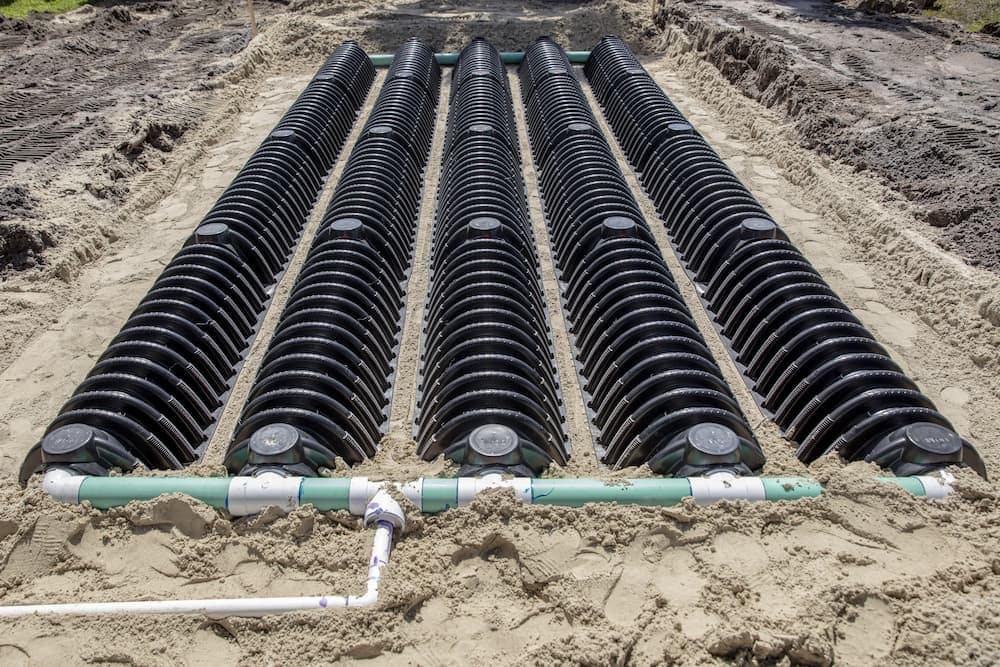
Complete leach field services.
We have the experience and equipment to address it regardless of where the problem stands. We've handled routine inspections, targeted repairs, and full field replacements across Churchill County, Lyon County, and Washoe County.
New leach field installation and full replacement work is completed in partnership with licensed contractors.
What it is
What is a leach field?
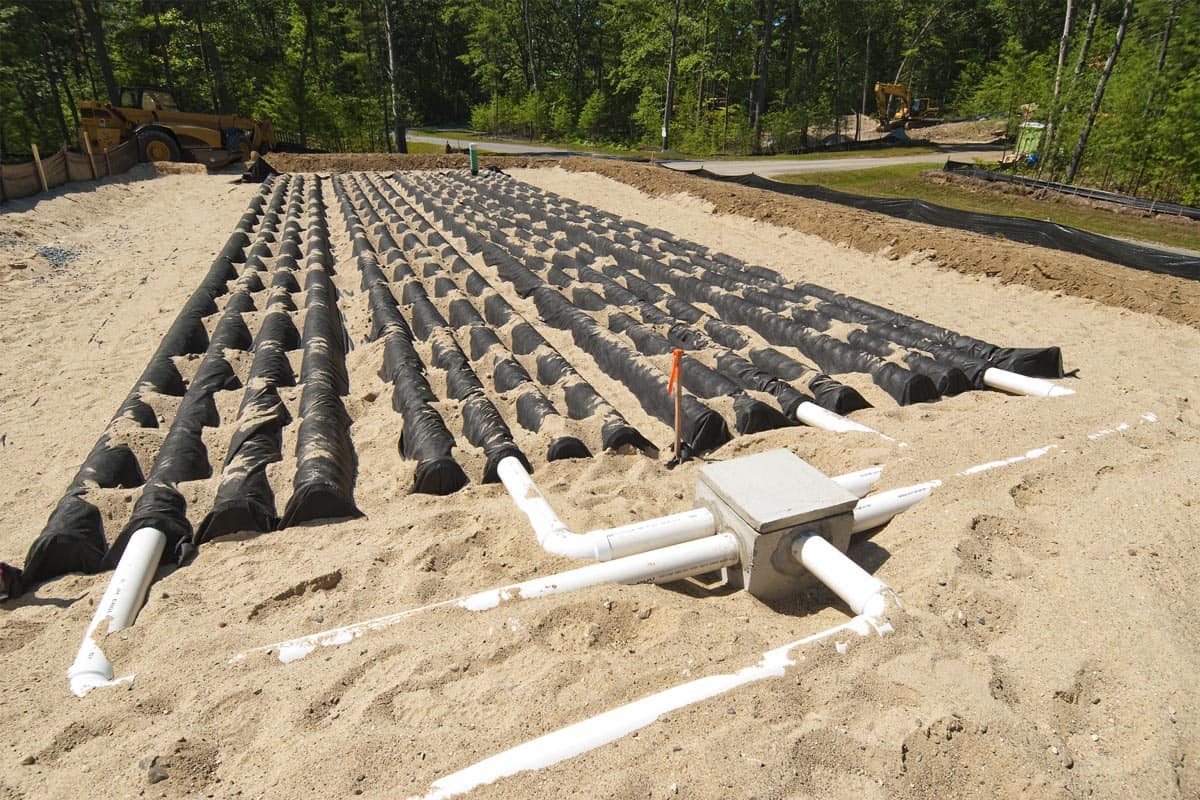
After solids settle in your septic tank, the clarified liquid (called effluent) flows out into the leach field through a network of perforated pipes buried in gravel trenches. From there, it filters through the native soil back into the groundwater table. It's a slow, continuous process that depends on the soil being able to accept and filter liquid at a healthy rate.
What reduces that rate is almost always what reaches the field. When a tank goes too long between pumpings, solids carry through and start sealing off the very ground the field depends on to drain. Tree roots are the other common one. Pumping on schedule won't stop them finding the field, but regular service lets us catch them at the tank, where we can still do something about them. Neither is something a homeowner can see, and both are the reason a system that drained perfectly for twenty years can decline quickly. A leach field replacement is one of the most expensive things that can happen to a property, and catching either one early is most of what avoids it.
Request a QuoteWarning signs
Signs your leach field needs attention.
Catching a field problem early saves thousands. By the time the failure is obvious, the options narrow fast.
- Slow drains in multiple fixtures at the same time, throughout the house, not just one bathroom
- Soggy or spongy ground near the drain field when it hasn't rained
- Sewage odors outside near the leach field or tank area
- Unusually bright or lush green grass running in a strip across the yard over the field lines
- Sewage backing up in toilets, showers, or basement drains
- Standing water or surfacing effluent in the drain field area
If you're seeing any of these, call before it gets worse. Early diagnosis often means repair instead of full replacement.
Schedule ServiceMaintenance
When should you service your leach field?
Plan on an inspection every three to five years as part of regular septic maintenance. Between inspections, the best protection is keeping your septic tank pumped on schedule. Solids that escape into the leach field are the leading cause of field failure, and routine pumping prevents that.
A few other things that protect the field: no heavy vehicles or structures over the field area, surface water diverted away rather than toward the field, trees and deep-rooted plants kept at a safe distance. We're happy to walk through any of this when we're on site.
Request a Quote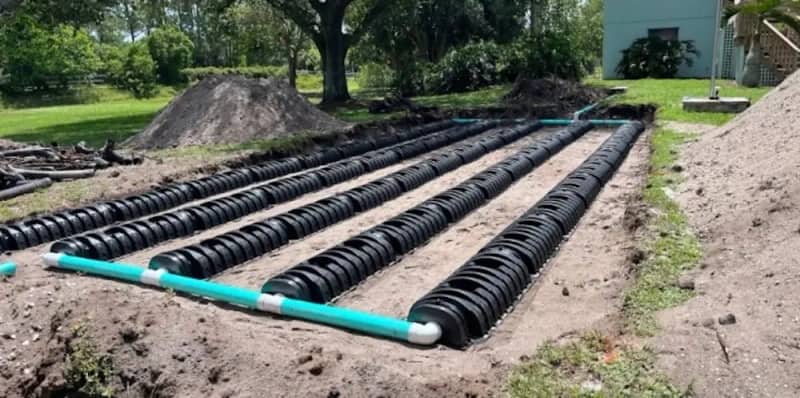
What Our Customers
Are Saying.
4.9 stars across 64 Google reviews
Hear from homeowners and property managers across Northern Nevada who trusted Marshall's with their leach field repair.
“Quick efficient and let me know what the septic system should look like BEFORE he opened it so I would know what I was looking at. Carlos was very personable and professional. Nice to see someone actually like their job despite the subject matter. HIGHLY recommend!!!!”
“Amazing team! The girls in the office and the techs in the field. Very professional and on point. I have a unique set up on my property. I called them in an emergency situation and they came and gixed it in no time, very fast. Thank you Marshall team!”
“I highly recommend Marshall's Septic Care. I called to have mine and my father's septic tank pumped. They were able to do it the next day. Very fast and knowledgeable service. Chad was friendly and professional. Thank you Marshall's, I will be using your company again in the future.”
Common questions.
Leach field service across Northern Nevada.
We run roughly a 150 mile circle out of Fallon. Have poop, will travel. Leach field work is not available in Reno.
Fallon · Carson City · Sparks · Dayton · Fernley · Cold Springs · Stagecoach · Silver Springs · Yerington · Minden/Gardnerville · Lovelock · Kingston · Wadsworth · Nixon · Lemmon Valley · Golden Valley · Hawthorne · Schurz · Walker Lake · Topaz · Hazen · Dixie Valley · Austin
Not sure whether you are in range? Call and ask. You will get a straight answer.
Got a field acting up?
Call us before it gets worse. Early diagnosis often means repair instead of replacement.